
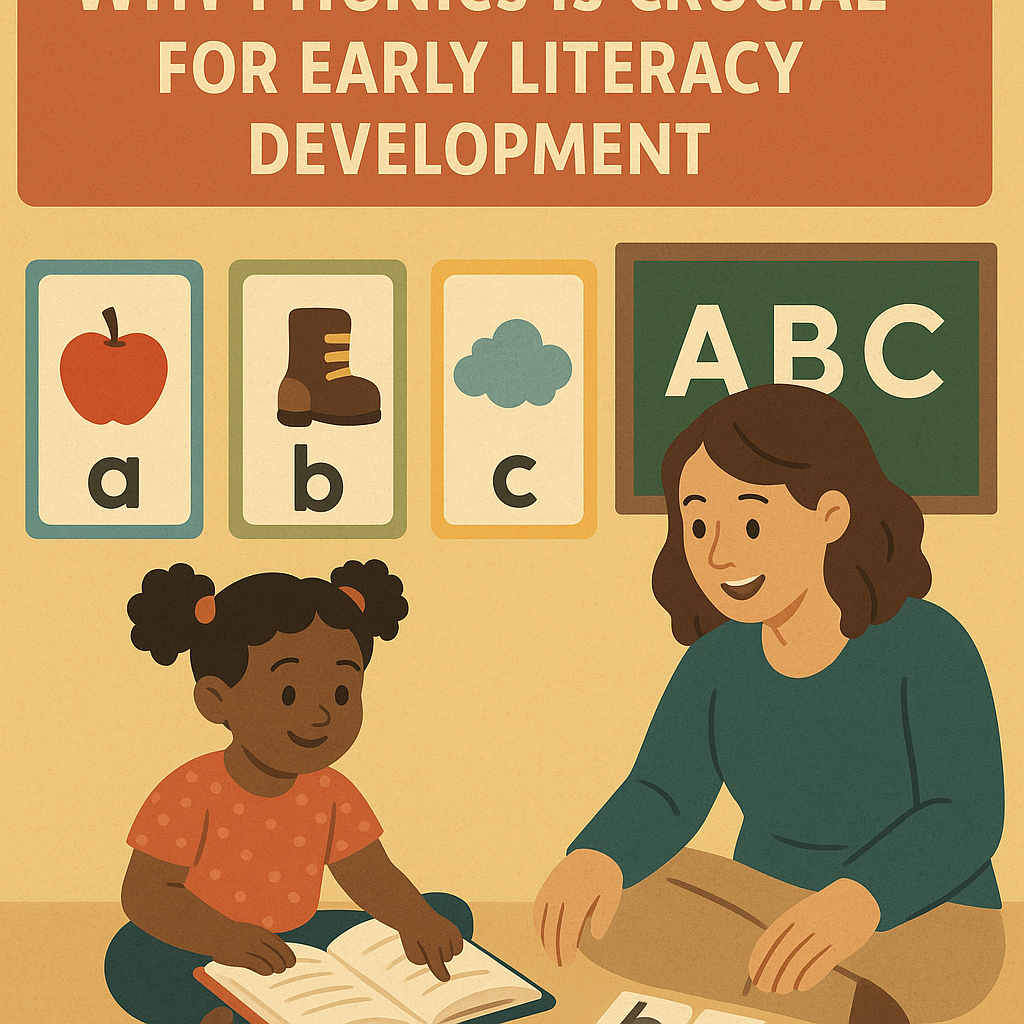
Introduction
Phonics is a method of teaching reading and writing by developing learners' phonemic
awareness. It involves connecting sounds with letters or groups of letters. This blog explores
the significance of phonics in early literacy and its benefits in fostering strong reading skills
in young children.
Understanding Phonics
Phonics is the bridge between spoken and written language. It helps children recognize the
sounds that each letter or combination of letters makes. By understanding these relationships,
children can decode new words and improve their reading fluency.
Benefits of Phonics
Improves Reading Skills: Phonics provides a systematic approach to learning to
read, helping children decode words quickly and accurately.
Enhances Spelling Abilities: Understanding phonics rules aids in spelling, as
children learn to map sounds to letters.
Boosts Confidence: As children become proficient readers, their confidence in their
academic abilities grows.
Promotes Independent Reading: With phonics skills, children can tackle new words
on their own, encouraging independent reading and a love for books.
Phonics Teaching Strategies
Interactive Games: Phonics games make learning fun and engaging, reinforcing
sound-letter relationships.
Phonics Songs and Rhymes: Music and rhymes are effective tools for teaching
phonics, as they help children remember sound patterns.
Phonics Worksheets: Structured worksheets provide practice and reinforce learning.
Reading Aloud: Reading stories that emphasize phonics helps children apply their
skills in context.
Conclusion
Phonics is a fundamental component of early literacy. It equips children with the skills
necessary to become fluent readers and confident learners. By incorporating phonics into
early education, we lay a strong foundation for future academic success.